Is blue amber natural? Yes. Genuine blue amber is 100% natural fossilized tree resin, and its blue is a real fluorescence you see under UV and strong daylight – not dye, not a lab-grown crystal, not synthetic plastic. Sumatran blue amber leads the field for glow and size. Still, imitations circulate, so learn to verify.
Key Takeaways
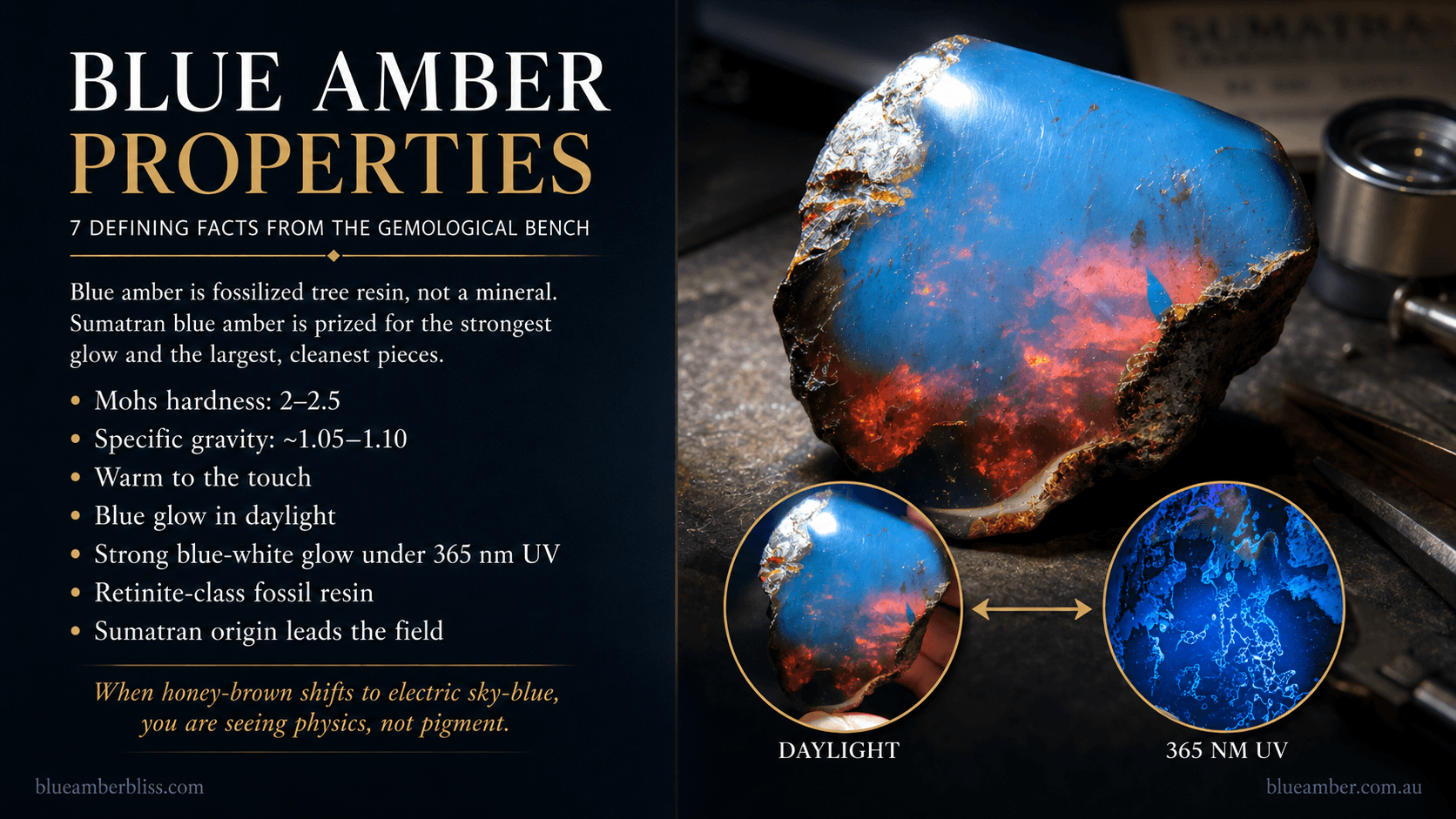
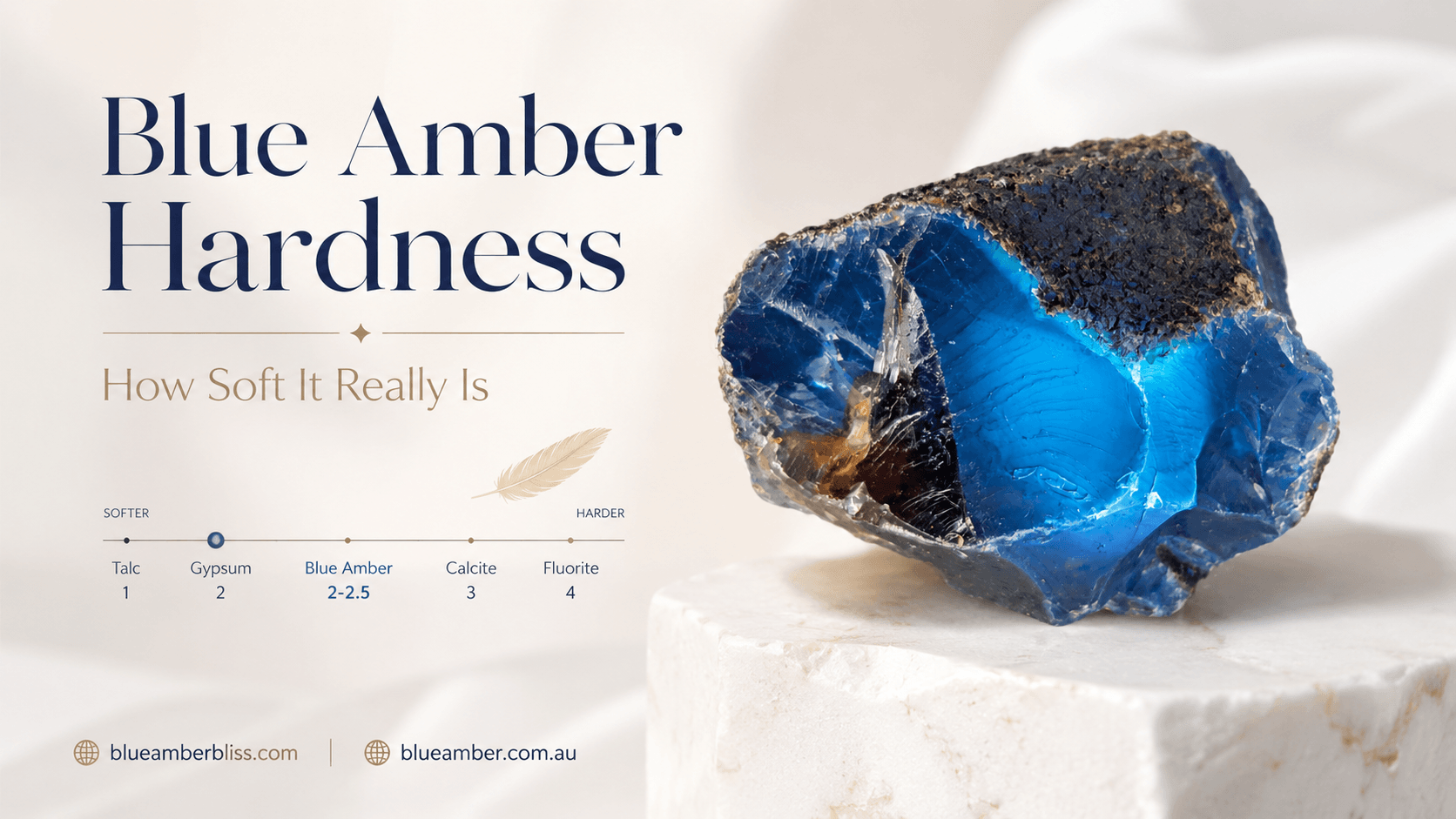
- Is blue amber natural? Real blue amber is genuine fossilized resin, typically 20-40+ million years old, with a specific gravity around 1.05-1.10 and Mohs hardness of 2-2.5.
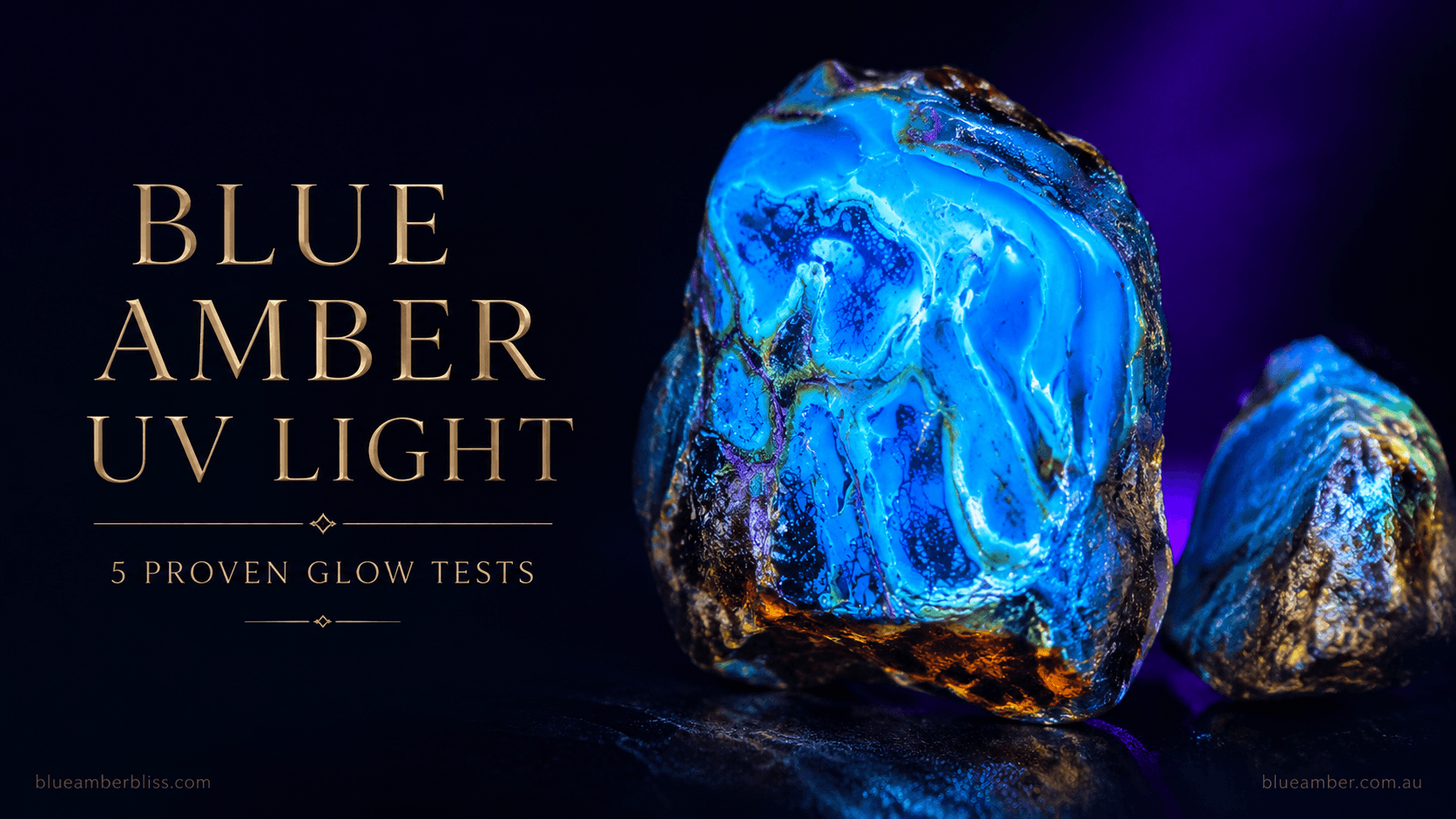
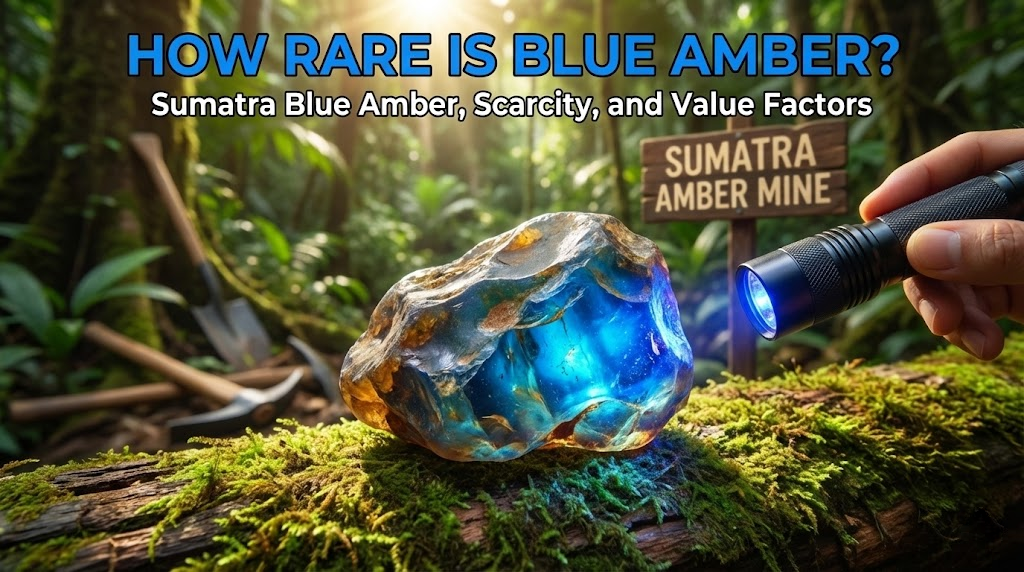
- The blue is natural fluorescence, not dye – it lights up under 365nm UV and glows blue in sunlight against a dark background.
- Sumatran (Indonesian) blue amber is the standout: a newer source with bigger nodules, a dramatic daylight blue glow, and slightly better quality that makes it more valuable.
- The market has three tiers: (a) natural untreated amber, (b) real amber that is treated/pressed, and (c) man-made fakes that are not amber at all.
- Quick home tells include a saltwater float test, UV glow, warm feel, and a piney resin scent when rubbed – confirm big purchases with an FTIR lab report.
Is Blue Amber Natural, and What Does That Really Mean?
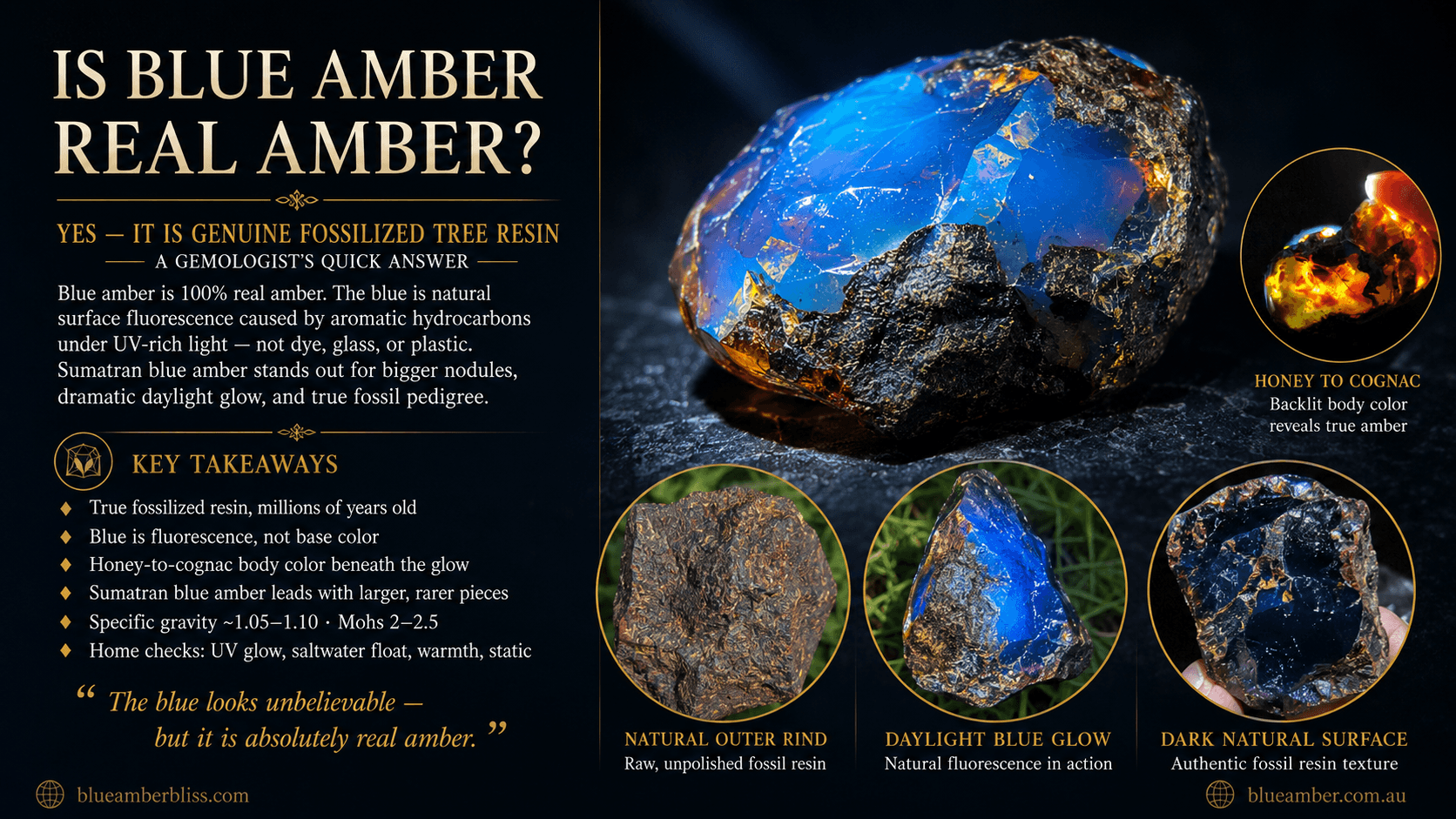
When people ask “is blue amber natural,” they usually mean two things at once: is it real amber, and is the blue color faked? The honest answer to both is yes for reputable material. Amber is fossilized tree resin that hardened over millions of years, and blue amber is simply amber that fluoresces blue.
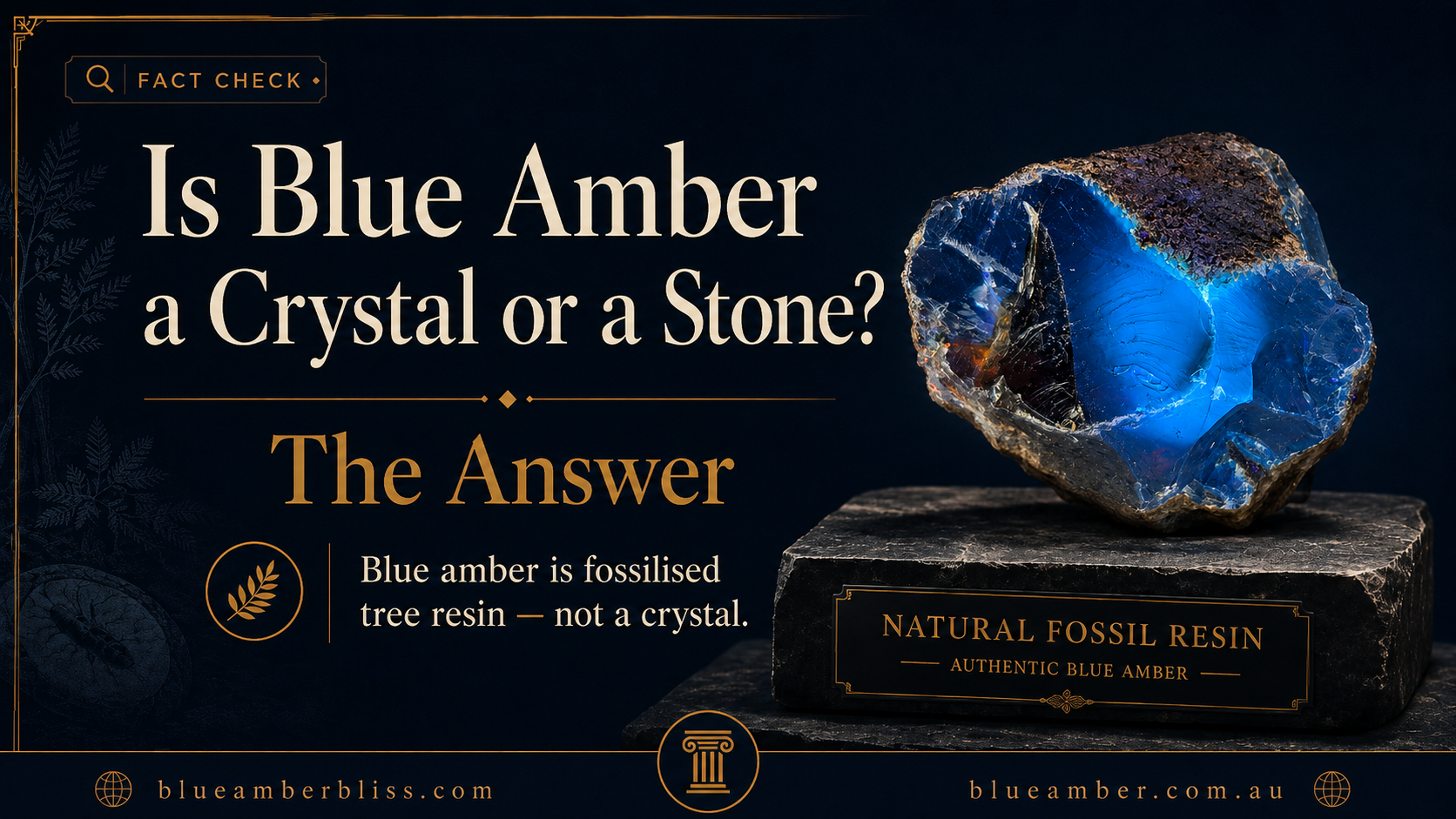
According to GIA, amber is an organic gem – the hardened resin of ancient trees, not a mineral crystal. That origin is why the question “is blue amber natural” has a clear scientific answer. Nature made the resin; nature made the fluorescence. No laboratory grows blue amber from scratch.
The blue you see is an optical effect. Trace aromatic compounds in the resin absorb ultraviolet light and re-emit it as visible blue. So the stone itself is warm honey or cognac in transmitted light, yet flashes electric blue when light hits it from the right angle over a dark surface.
Is Blue Amber Natural or Man-Made? The Three Categories You Must Separate
The confusion around “is blue amber natural or man made” comes from lumping very different products together. To buy smart, separate the market into three clear tiers. Only one of them is a true fake, and knowing the difference protects your money and your trust.
(a) Natural, untreated blue amber
This is the gold standard: genuine fossil resin that has never been heated, dyed, or pressed. Its blue fluorescence is entirely natural, its inclusions (tiny bubbles, plant debris, occasional insects) are authentic, and its surface may show natural flow lines. This is what you want, and it is what quality Sumatran material is. To confirm it is genuine amber at all, see our guide on whether blue amber is real amber.
(b) Treated, heat-clarified, or pressed amber
This tier is still real amber, just altered. Sellers may heat it to clarify cloudiness, add “sun spangle” discs, or fuse small fragments under heat and pressure into pressed (reconstituted) amber. It is not a plastic fake, but it is not fully natural either, and it should be disclosed and priced lower. Learn the signs on our page about treated blue amber.
(c) Man-made imitations (not amber)
These are the true fakes: plastic and modern resin castings, glass, copal (immature resin), and dyed material painted to mimic the blue. None of these are fossil amber. This is the category the phrase “is blue amber man made” really targets, and it is the one to avoid. Our full fake blue amber field guide catalogs each one.
| Property | Natural blue amber | Treated / pressed amber | Man-made imitation |
|---|---|---|---|
| Is it real amber? | Yes, untouched | Yes, but altered | No |
| Specific gravity | ~1.05-1.10 (floats in salt water) | ~1.05-1.10 | Plastic often sinks or floats wrongly; glass ~2.5 sinks fast |
| Mohs hardness | 2-2.5 | 2-2.5 | Glass ~5.5; plastics vary |
| Blue under UV/daylight | Strong natural fluorescence | Present but can look uneven | Dull, painted-looking, or dead |
| Scent when rubbed | Warm pine resin | Resin, sometimes scorched | Chemical/plastic or none |
| Value | Highest | Lower, must be disclosed | Costume-only |
Is Blue Amber Natural Rather Than Dyed? Why the Color Is Real
A common worry is “is blue amber dyed.” For genuine stones, it is not. You cannot paint on the effect you see in real blue amber, because it is fluorescence, not pigment. Dye sits on or in the surface as a fixed color; fluorescence is light emission that changes with the angle and type of light.
Here is the tell. Turn a natural piece in sunlight over black fabric and the blue shifts, flares, and moves as you rotate it. Hold it in front of a lamp and the body reads warm amber-gold. Dyed material stays the same blue from every angle and looks flat and painted because the color is literally on it, not emitting from it.
So when you ask “is blue amber natural” in terms of color, the physics answers for you. Britannica notes amber can fluoresce, and blue amber is the dramatic extreme of that property. The rarer and more aromatic the resin, the stronger the natural blue – no dye vat required.
Is Blue Amber Lab Made or Synthetic? Setting the Record Straight
Two more phrases pop up constantly: “is blue amber lab made” and “is blue amber synthetic.” The short answer is no – there is no commercial synthetic blue amber grown in a lab the way lab diamonds or synthetic sapphires are grown. Amber is fossilized organic resin; you cannot synthesizeancient fossilization on demand.
What exists instead is imitation. When someone claims “is blue amber synthetic,” what they have usually met is plastic or polyester resin cast to look like amber, sometimes with blue dye or a fluorescent additive mixed in. That is an imitation product, not a synthetic gemstone in the technical sense – it is not chemically amber at all.
So keep the wording precise. Real blue amber is natural. Fakes are man-made plastics or glass. “Lab-grown blue amber” is a marketing fiction; if a listing uses that phrase as if it were a legitimate synthetic gem, treat it as a red flag and walk away.
How Can You Tell Natural vs Fake Blue Amber at Home?
You do not need a lab to run first-pass checks. These quick tests settle “is blue amber natural” for most pieces in minutes, and together they are hard to fake all at once. For the complete protocol, follow our step-by-step guide on how to spot real blue amber.
- Saltwater float test: Dissolve about 2-3 tablespoons of salt per cup of water (roughly 25%). Real amber (SG ~1.05-1.10) floats or hovers; most plastics and glass sink. This is the single most useful home test.
- UV light (365nm): Natural blue amber fluoresces strongly – milky blue to vivid electric blue. Dyed plastic looks flat or dead. Daylight over a black cloth should also trigger the blue glow.
- Warmth: Amber is a poor conductor and feels warm, never cold and glassy like real glass imitations.
- Resin scent: Rub briskly for 20-30 seconds. Real amber releases a soft pine-resin aroma; plastic smells chemical or acrid.
- Static: Rubbed amber develops a static charge that lifts a scrap of tissue – a classic property named for the Greek elektron.
Run at least three of these before you conclude anything. A piece that floats in brine, glows blue under 365nm, feels warm, and smells of pine is almost certainly the real thing. If it fails two or more, be suspicious.
Is Blue Amber Natural but Still Worth a Lab Test? When to Get FTIR
Home tests are strong screens, but they are not proof for high-value pieces. Pressed amber and premium plastics can pass casual checks. So for anything expensive, or anything you plan to resell, confirm that your blue amber is natural with an instrument-based report.
FTIR (Fourier-transform infrared spectroscopy) is the standard. It reads the material’s molecular fingerprint and reliably separates true Class I amber from copal, pressed amber, and plastics. A reputable lab report costs modestly relative to a serious stone and removes all doubt about whether your blue amber is natural.
Get a lab test when: the price is high, the seller cannot answer origin questions, the piece is unusually large and flawless, or the “amber” was suspiciously cheap. When a stone is natural, a report only adds resale confidence; when it is not, the report saves you.
Is Sumatran Blue Amber Natural and the Best Choice?
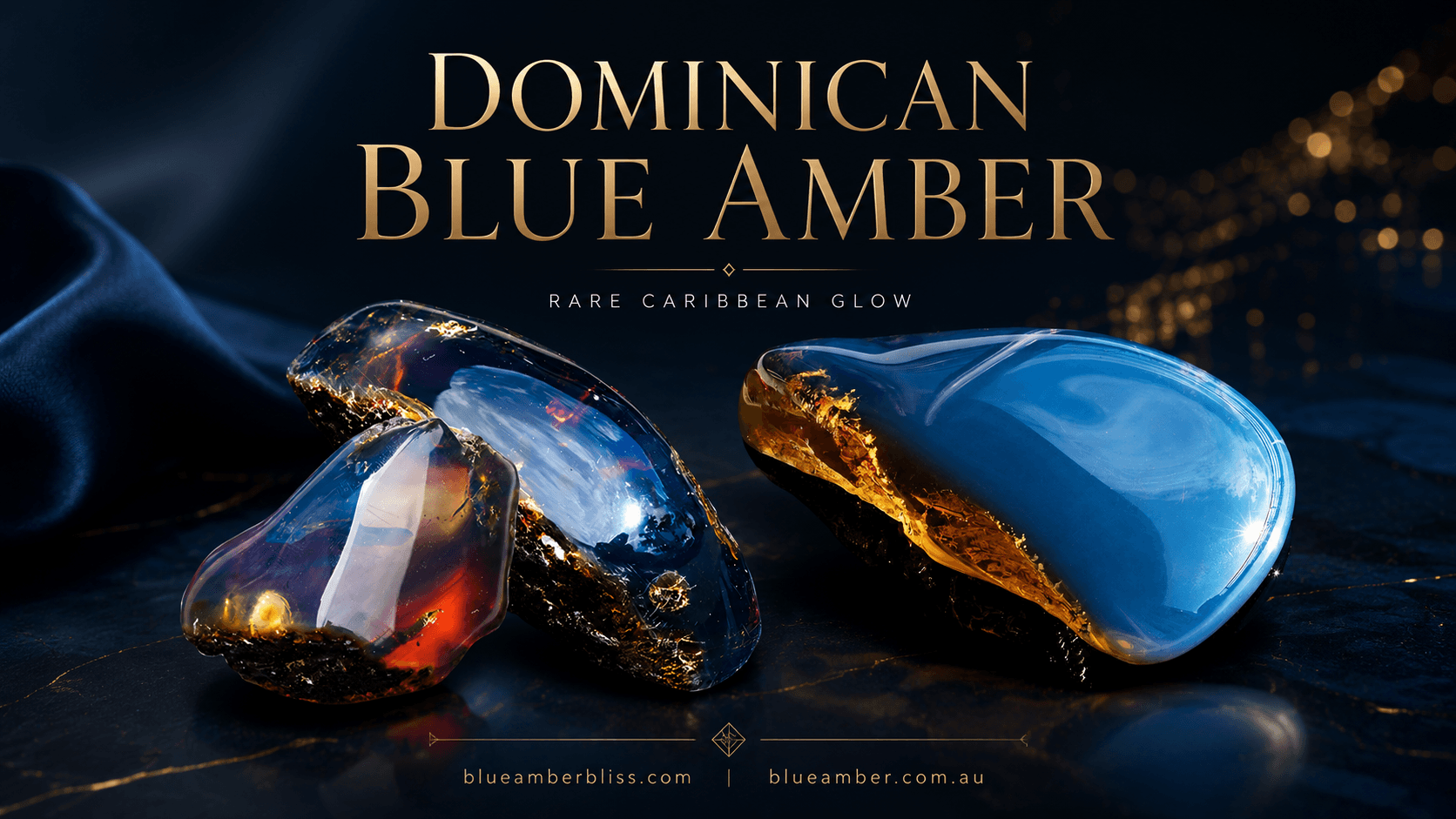
Yes – and it is the standout of the whole category. Sumatran (Indonesian) blue amber is genuine fossilized resin, fully natural, and famous for a dramatic daylight blue glow you can see without a UV lamp. Because it is a newer source, it yields larger nodules and somewhat better quality, which makes it more valuable than older-known blues.
Reputable Sumatran material is natural, untreated, and sold with honest disclosure. It fluoresces a striking greenish-blue to electric blue in sunlight, floats correctly in salt water, and carries authentic inclusions. When you ask “is blue amber natural” about well-sourced Sumatran stones, the answer is an easy yes.
To ground all of this in the fundamentals – what blue amber is, how it forms, and why the blue happens – start with our hub explainer on what blue amber is. From there, the verification pages tie the whole picture together.
Natural vs Fake Blue Amber: A Quick Buyer’s Scorecard
Use this fast scorecard the next time a listing tempts you. It compresses everything above into a decision you can make in the room, before money changes hands. The goal is simple: confirm your blue amber is natural, or move on.
- Glow: Real Sumatran blue amber flashes blue in daylight over black; fakes look flat.
- Float: Floats in 25% salt water; most plastic and all glass sink.
- Feel and smell: Warm to the touch, piney when rubbed.
- Price sanity: Natural blue amber is rare; a “too cheap” price signals imitation.
- Disclosure: A good seller states clearly whether a piece is natural, treated, or pressed.
- Paperwork: For premium stones, an FTIR report should be available.
How We Tell Natural Sumatran Blue Amber From Imitations
At Blue Amber Bliss we handle Sumatran blue amber every day, and the natural material always gives itself away in ways no man-made stone can copy. Genuine pieces show a warm dark cognac body in ordinary light that flips to a living blue glow the moment daylight or UV hits them, and that daylight-to-glow shift is uneven and alive rather than the flat, uniform tint we see in resin fakes and dyed copal. We also look for trapped inclusions, tiny flow lines and the light warmth and static natural amber picks up when handled, none of which survive in cast plastic or pressed imitations. This is ancient natural resin, millions of years in the making, so no two nodules we select are ever identical.
If you would like to see what authentic, natural material really looks like, we warmly invite you to explore our hand-selected Sumatran blue amber at Blue Amber Bliss. Shop hand-selected Sumatran blue amber →
FAQ
Is blue amber natural or man-made?
Genuine blue amber is natural – fossilized tree resin, ancient natural resin, with a blue that comes from real fluorescence. The “man-made” versions on the market are plastic, resin, glass, or dyed imitations, plus treated and pressed real amber. Verify with UV, a saltwater float, and scent before buying.
Is blue amber man made or does it grow naturally?
It is not made by people. Nature produced the resin, and geological time fossilized it. Nobody manufactures fossil amber; the only “man made” products are imitations meant to resemble it. So a true blue amber stone is natural, while a plastic look-alike is the man-made counterfeit.
Is blue amber dyed to get its color?
No. Real blue amber is not dyed. The blue is fluorescence – light emitted when the resin absorbs UV. Dye would look flat and identical from every angle. Natural blue shifts and flares as you rotate the stone in sunlight, and the body still reads warm amber under transmitted light.
Is blue amber synthetic like lab-grown gems?
No. There is no commercial synthetic blue amber. Unlike lab diamonds or synthetic sapphire, fossilization cannot be reproduced in a factory. Anything sold as “synthetic blue amber” is actually a plastic or resin imitation, not a lab-grown gemstone. Genuine blue amber is always a natural, fossilized organic gem.
Is blue amber lab made anywhere in the world?
No lab produces real blue amber. Some sellers misuse “lab made” to sound legitimate, but they are describing molded plastics or dyed resins. If a listing markets “lab-grown blue amber” as a real synthetic gem, treat that as a warning sign and verify or avoid it.
How do I know if my blue amber is natural?
Run three quick tests: it should float in 25% salt water (SG ~1.05-1.10), glow blue under 365nm UV or bright daylight, and give a pine-resin scent when rubbed. Passing all three is a strong sign. For expensive pieces, confirm with an FTIR lab report.
What is the difference between natural vs fake blue amber?
Natural blue amber is genuine fossil resin with real fluorescence, ~1.05-1.10 specific gravity, and Mohs 2-2.5. Fake blue amber is plastic, glass, copal, or dyed material that mimics the look but fails float, UV, warmth, or scent tests. Treated and pressed amber sit in between – real, but altered.
Is pressed or treated blue amber still real amber?
Yes, pressed and heat-treated amber are real amber, just modified. Pressed (reconstituted) amber fuses small fragments under heat and pressure, and treatment can clarify or enhance color. It should be disclosed and priced below untreated natural amber. It is not a plastic fake, but it is not fully natural either.
Is Sumatran blue amber natural?
Yes. Sumatran (Indonesian) blue amber is fully natural fossil resin and the standout of the category – larger nodules, dramatic daylight blue glow, and slightly better quality that make it more valuable. Reputable sellers offer it untreated with honest disclosure, so well-sourced Sumatran blue amber is genuinely natural.
Why is real blue amber so expensive if it is natural?
Because natural blue amber is rare. Only certain resins fluoresce strongly blue, and large clean pieces are scarce. Sumatran deposits yield bigger, better material, but supply is still limited. Rarity, natural fluorescence, and clean fossilization – not any lab process – drive the price of genuine blue amber.
Related Blue Amber Guides